

Case Law · 17 November 2026
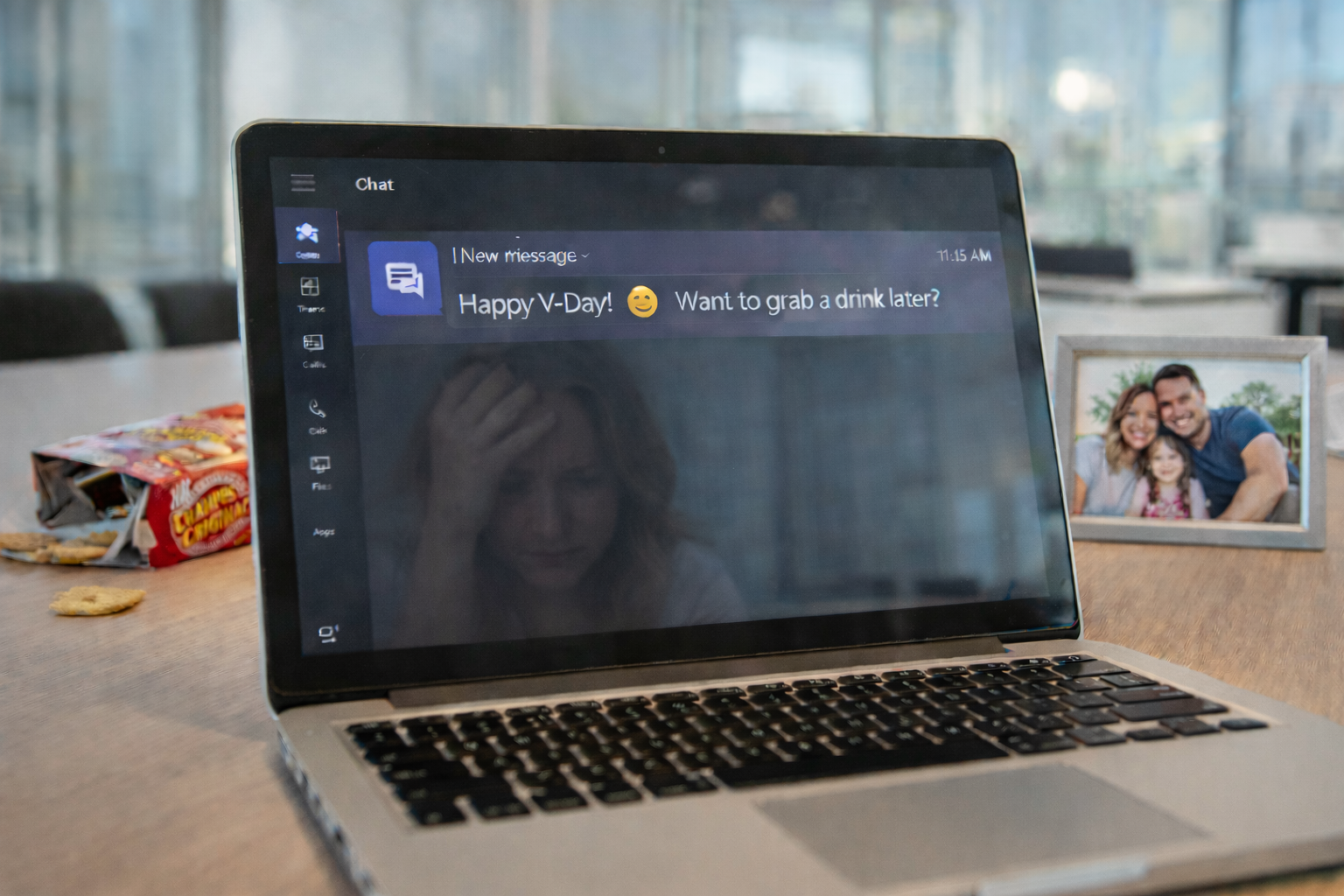
Smart glasses at work just cost a truck driver his job. A court has upheld Toll’s decision to dismiss him for using them to take photos at a fuel terminal where electrical devices were banned. It may be the first documented sacking for smart glasses in Australia. It won’t be the last.
In this article
Most workplaces have rules for phones. Very few have rules for glasses. That gap is now a live problem, and the Toll case shows how quickly a pair of smart glasses can turn into a serious misconduct finding and a general protections claim.
Key takeaways
- Smart glasses are cameras. Your workplace policies should treat them that way.
- A complaint made after misconduct doesn’t protect an employee from discipline, as long as your records show the real reason.
- Client and host site rules matter. Make sure workers know them and your policies pick them up.
- A fair process held up. The driver conceded Toll was entitled to investigate and suspend him.
What happened in the Toll smart glasses case
The driver started with Toll Transport in late 2024. His job was filling LPG tankers at Esso’s Long Island Point terminal in Victoria, then delivering for Toll’s client, Origin Energy.
In June 2025, days after returning from injuries sustained in a truck fire, he raised concerns about the safety of a truck he’d been allocated. He was given a different truck and drove to the terminal.
While there, he used smart glasses to photograph the control panel. He sent the photos to his manager with the message: “There’s no more time for deliveries today!”
That was a problem. The terminal bans any electrical equipment that isn’t intrinsically safe, because a spark can cause an explosion.
The fallout was fast:
- Esso locked him out of the site until he was retrained.
- Origin told Toll the next day to remove him as soon as possible.
- Toll took him off the roster and opened an investigation.
In between, the driver emailed HR with safety and health concerns, then asked for a formal assurance there would be no retaliation for making safety disclosures.
A month later Toll dismissed him. The investigation found the smart glasses incident breached Toll’s code of practice, its health and safety policy, its workplace behaviours policy and his employment contract.
Why the general protections claim failed
The driver ran a general protections claim. He argued Toll took him off the roster and dismissed him because of his safety complaints.
In these claims the onus sits with the employer. Toll had to prove the complaints weren’t a reason for what it did.
It did that on the timeline. Judge Karl Blake found the driver couldn’t do his normal work from 18 June 2025 because Esso had locked him out and Origin had excluded him. Both complaints came after that date, so they couldn’t explain why he was taken off the roster.
The driver didn’t help himself. At trial he conceded:
- using electronic devices at the terminal was a serious safety matter
- Toll was entitled to investigate
- suspending him was reasonable.
He’d even put safety glasses over his smart glasses on the day, which the judge said showed he was plainly aware of the risk. The judge called the breach objectively very serious and dismissed the case.
Martins Silva v Toll Transport [2026] FedCFamC2G 2245 (13 November 2026)
We saw this coming in September
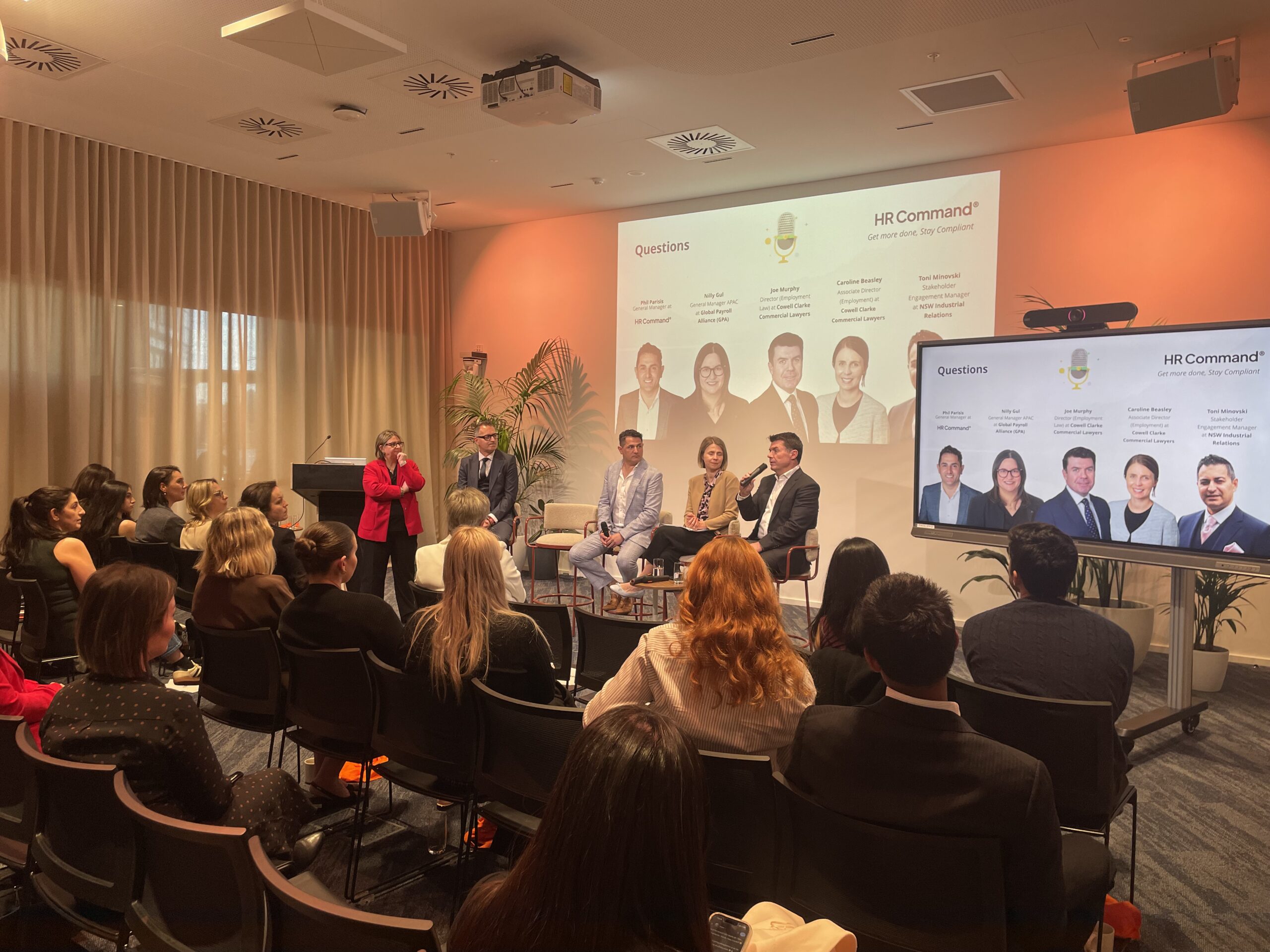
At HR Essentials Over Breakfast on 17 September, smart glasses came up during the AI session. The question from the room was simple. What do you do when someone turns up to work with a camera on their face? Watch the AI session on demand.
Two months later, we’ve got a court decision.
The wider signals were already there. The Australian Public Service was considering restrictions on smart glasses at the time of the event, and South Australia banned them from its courts earlier this year.
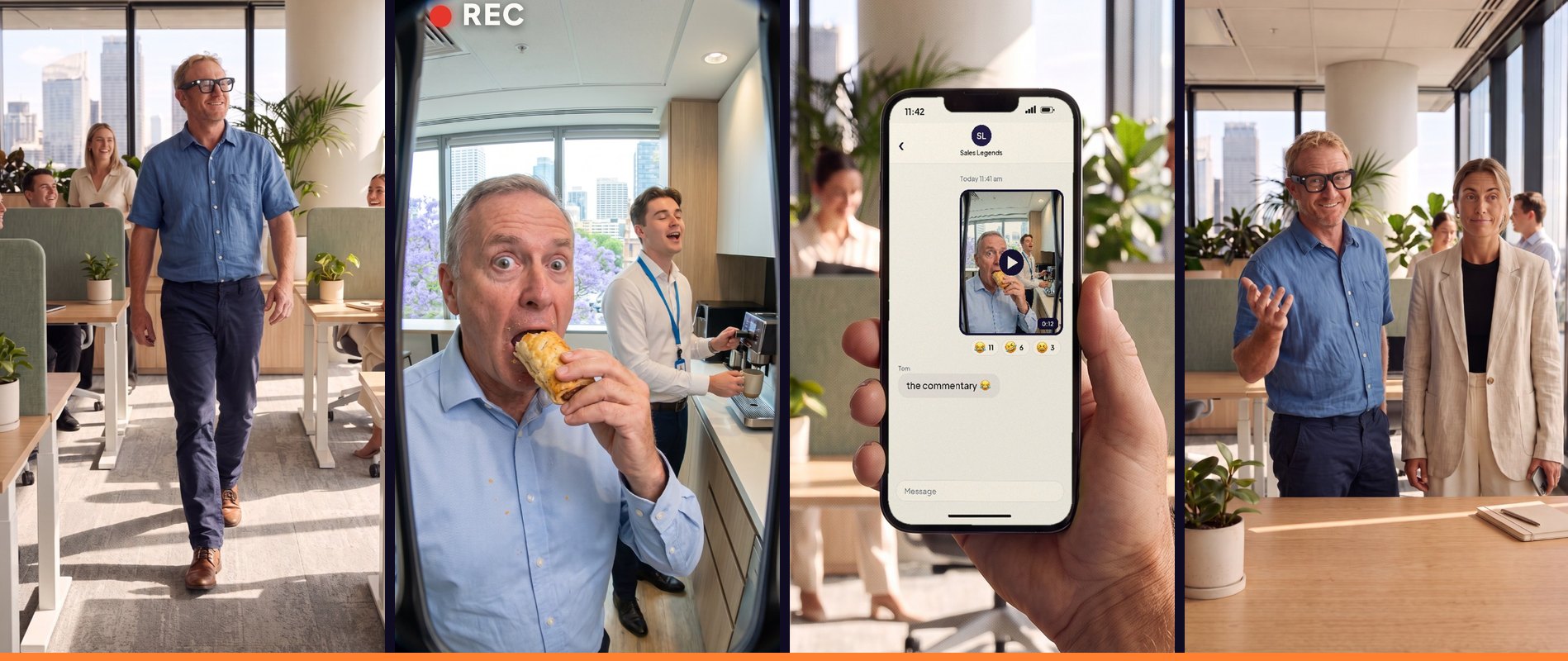
Smart glasses don’t look like a camera. That’s the point.
The risks smart glasses bring into your workplace
Safety. Toll is the obvious one. Hazardous areas, client sites with device bans, and anywhere a distraction can hurt someone, including driving and operating plant.
Recording people. Smart glasses can record colleagues, customers and meetings without anyone noticing. In some states, recording a private conversation without consent can be a criminal offence. Even where it’s lawful, covert recording destroys trust and can feed bullying and harassment complaints.
Confidential information. Footage and audio can end up in cloud storage or a third party app on someone’s personal account. Client data, pricing, IP and personal information can walk straight out the door.
Accessibility. Some people use smart glasses as assistive technology, for example to read text or describe surroundings for someone with low vision. A blanket ban with no exceptions process can create discrimination risk.
What your smart glasses policy should cover
You don’t need a standalone policy. You do need your device, technology and workplace behaviour policies to deal with wearables directly.
| Area | What to set out |
|---|---|
| Scope | Name wearables directly: smart glasses, camera watches and other recording devices, not just phones |
| Where they’re banned | Hazardous areas, client and host sites with device rules, bathrooms, change rooms, meetings and confidential areas |
| Recording | No photos, video or audio of colleagues, customers or work areas without approval and consent |
| Apps and cloud | No uploading work footage, audio or information to personal apps or accounts |
| Client and host sites | Workers follow the site’s rules, and the stricter rule wins |
| Exceptions | A clear process to approve assistive use, including how colleagues are told |
| Consequences | Breaches can lead to disciplinary action, up to and including dismissal |
Then make sure people actually know the rules. Put the policy in front of staff, get it acknowledged, and cover it in inductions, especially for anyone working on client sites.
Getting the disciplinary process right
Toll won because its process and its records lined up. Here’s what that looks like in practice.
- 1Act on the evidenceToll moved because the client and site operator acted, and it could prove it.
- 2Stand down properlyIf safety requires someone off the job, check what the contract, award or agreement allows before you suspend.
- 3Investigate before decidingPut the allegations in writing and give the employee a real chance to respond.
- 4Keep complaints separateWhen a complaint lands mid-process, deal with it on its own track and document that it played no part in the disciplinary decision.
- 5Record your reasonsWho decided, when, and why. In a general protections claim, that record is your defence.
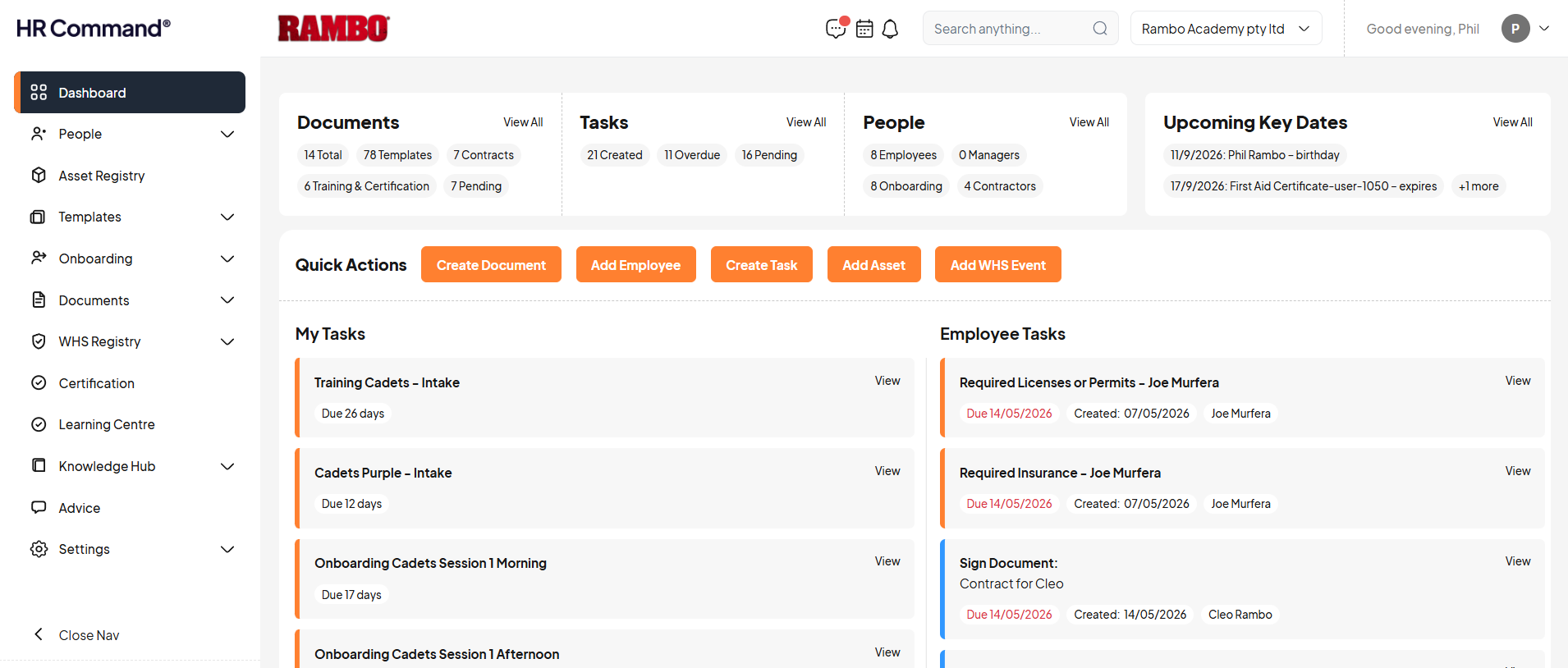
HR Command gives you the policies, contracts and investigation tools to get this right before it becomes a dispute, backed by award winning employment lawyers on the Workplace Advice Line.
Smart glasses at work FAQs
Can I ban smart glasses at work?
Generally, yes. A direction not to wear or use them is likely to be lawful and reasonable where there’s a genuine reason, such as safety, privacy or confidentiality. Build in a process for assistive use.
Is using smart glasses at work serious misconduct?
It depends on the context. In the Toll case it was, because of the explosion risk at a hazardous site. Recording a colleague in a meeting would be assessed on its own facts.
Does a safety complaint protect an employee from dismissal?
No, not if the complaint isn’t a reason for the decision. But the onus is on the employer to prove that, so your records need to show the real reason and the timeline.
Do my workplace surveillance notices cover smart glasses?
If you issue smart glasses to staff and they record or track, check your notices cover them. In NSW, the Workplace Surveillance Act requires written notice before camera surveillance starts. If employees bring their own, it’s a conduct and policy issue.
Sources
- Workplace Express, Court backs sacking for using smart glasses, 17 November 2026
- Martins Silva v Toll Transport [2026] FedCFamC2G 2245 (13 November 2026)
- HR Command, HR Essentials Over Breakfast, September 2026, on demand
This article is general information only and is not legal advice. HR Command works in partnership with Cowell Clarke Commercial Lawyers. For advice on your situation, HR Command clients can use the Workplace Advice Line.