


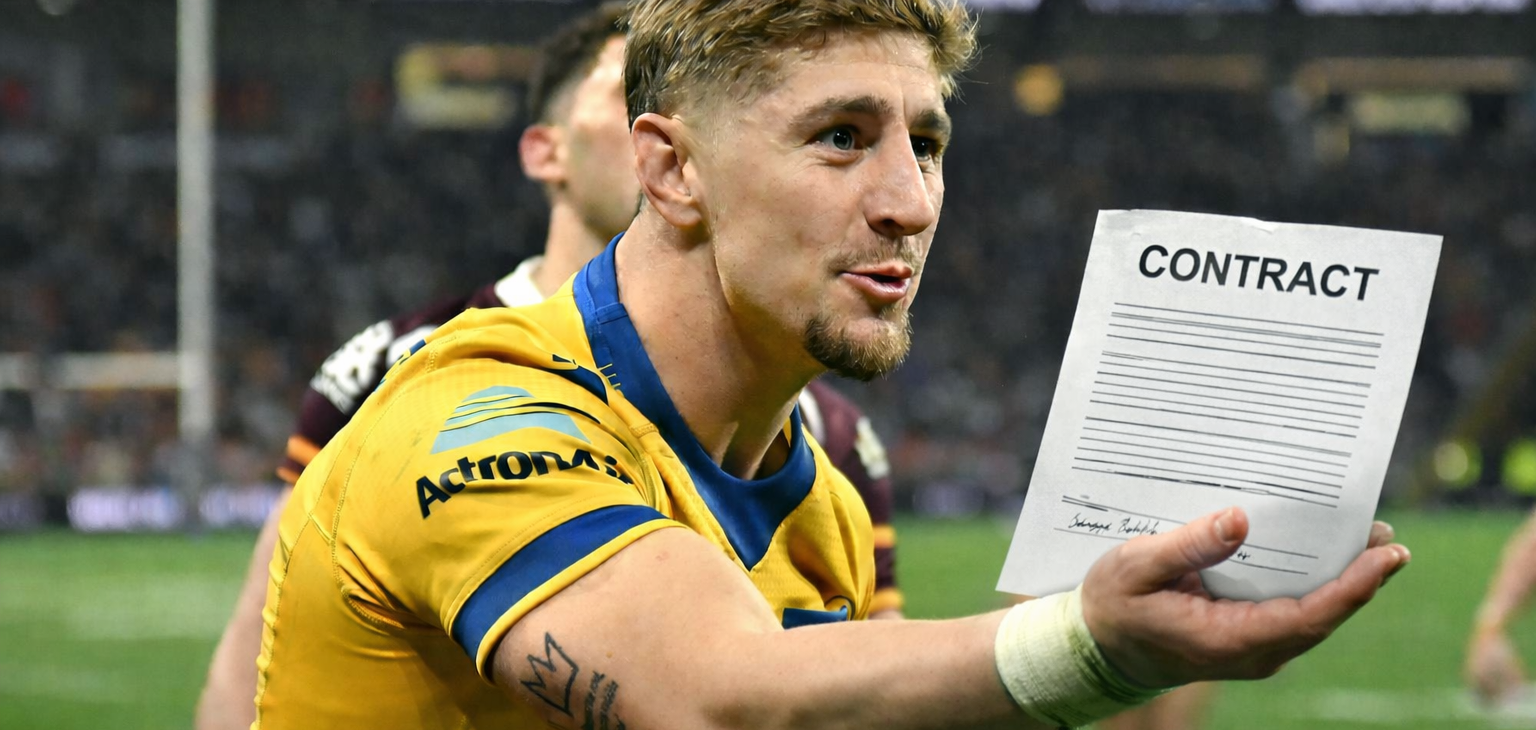
A high-profile legal battle between NRL star Zac Lomax and the Parramatta Eels is shining a bright light on an issue many employers would prefer to ignore – the real-world risks hidden inside employment contracts.
While the dispute is playing out on a national sporting stage, the legal principles involved are far from unique to professional athletes. For HR leaders, industrial relations practitioners and business owners, the case is a timely reminder that contracts are not just formalities – they are enforceable documents that can have serious commercial consequences.
At its core, the matter centres on post-employment restraints, contract interpretation and what happens when circumstances change after an agreement has been signed. These are challenges every employer faces at some point.
The Background
Zac Lomax signed a long-term playing contract with the Parramatta Eels. Midway through that agreement, he negotiated an early release so he could pursue an opportunity in a new international rugby competition.
The release, however, came with a strict condition: Lomax agreed he would not sign with another NRL club before the end of 2028 without the Eels’ express consent.
When the international competition was delayed, Lomax sought to return to the NRL and reportedly entered discussions with the Melbourne Storm. The Eels responded by launching legal proceedings, arguing that he was attempting to breach the agreed restraint clause.
The dispute is now before the NSW Supreme Court, which will ultimately determine whether the restriction is valid, reasonable and enforceable.
Why This Matters for Employers
Most businesses will never deal with multi-million-dollar sporting contracts – but the issues raised in this case are the same ones that arise in workplaces every day:
- How enforceable are post-employment restraints?
- What happens when business plans change?
- How clearly have employment obligations been explained?
- Are contracts actually fit for purpose?
- And how quickly should an organisation respond when a breach occurs?
For HR and IR professionals, the Lomax case demonstrates that even carefully negotiated agreements can unravel if expectations are not managed and risks are not properly addressed.
Restraint Clauses: A Legal Tightrope
One of the key questions in the case is whether the restriction placed on Lomax was “reasonable.”
Under Australian law, restraint of trade clauses are only enforceable if they go no further than necessary to protect legitimate business interests. That principle applies equally in corporate environments.
For businesses, those interests might include:
- protecting confidential information
- safeguarding customer relationships
- preventing poaching of staff
- preserving intellectual property or goodwill.
The lesson for employers is simple: generic, one-size-fits-all restraint clauses are dangerous.
To stand up legally, restrictions must be carefully tailored to the individual role, the level of seniority and the actual risks faced by the organisation. Overly broad or poorly drafted clauses can leave employers exposed when they need protection most.
Contracts Are Not “Set and Forget”
Another crucial takeaway for HR, IR and business owners is the importance of treating employment contracts as living documents.
Too often, contracts are signed, filed away and never revisited – until a dispute arises.
But businesses change. Markets shift. Employees move into new roles. Circumstances evolve.
When that happens, contractual terms that once seemed appropriate may no longer reflect reality.
Regular contract reviews, clear exit processes and proactive communication about ongoing obligations (such as restraints, confidentiality and non-solicitation) are essential risk-management steps for any employer.
Acting Quickly When Problems Arise
In this dispute, the Parramatta Eels acted swiftly to enforce what they believed were their contractual rights.
From a business perspective, that speed matters.
When an organisation becomes aware of a potential breach, hesitation can weaken its legal position. Courts often look at how promptly and reasonably an employer responded.
For HR and IR teams, this underscores the importance of having:
- clear escalation pathways
- access to timely legal advice
- documented processes for managing suspected breaches
- consistent decision-making frameworks.
Being prepared before a problem occurs is far better than scrambling to respond after the fact.
Practical Lessons for HR, IR and Business Owners
The Lomax case offers several important reminders for employers of all sizes:
Draft with precision
Employment contracts – especially restraint clauses – must be carefully considered, specific and proportionate.
Communicate obligations clearly
Employees should fully understand what they are signing and what their post-employment responsibilities are.
Review contracts regularly
Agreements should evolve alongside organisational and market changes.
Don’t rely on templates alone
What works for one role or industry may not be appropriate for another.
Act decisively when issues emerge
Delays can undermine an organisation’s ability to enforce its rights.
Get specialist advice early
Contracts are strategic risk-management tools, not just administrative paperwork.
A Powerful Reminder
The Zac Lomax dispute will ultimately be resolved by the courts, but its broader message is already clear.
Employment contracts can quickly move from routine documents to major commercial liabilities if they are poorly drafted, poorly understood or poorly managed.
For HR professionals, IR specialists and business owners, the lesson is straightforward: investing time and expertise into robust contracts and sound processes today is far cheaper – and far less stressful – than fighting a public legal battle tomorrow.
Well-constructed contracts, proactive communication and strong governance remain the best defence against turning everyday employment relationships into tomorrow’s courtroom headlines.