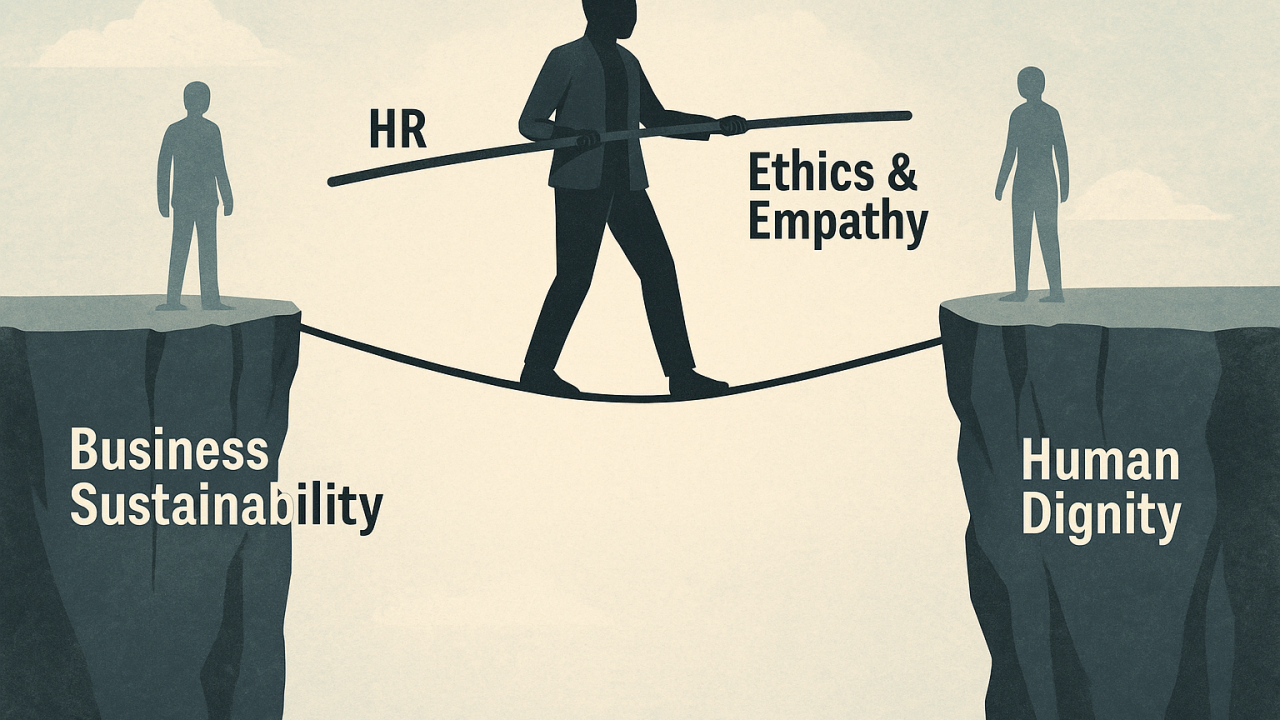



Ending employment is one of the most sensitive and risk-prone areas in Australian workplace relations. Whether it is a performance issue, redundancy, misconduct, or probation failure, every step in the termination process matters. A well-structured termination checklist protects your business, reduces legal exposure, and creates a fair and consistent experience for employees.
Why a Termination Checklist Matters
Australian workplace laws expect procedural fairness, consultation, transparency, and proper record keeping. A termination checklist helps you stay compliant while avoiding accidental mistakes that can lead to unfair dismissal claims or general protections disputes.
A termination checklist supports your HR team by:
- Creating consistency
Managers follow the same repeatable process each time, which reduces variation and risk. - Reducing legal exposure
A termination checklist ensures you meet obligations under the Fair Work Act, relevant modern awards, enterprise agreements, and internal policies. - Ensuring fair treatment
Employees receive proper communication, the opportunity to respond, and clarity about next steps. - Improving record keeping
A termination checklist prompts you to capture evidence and documents at each stage, so you can defend your decisions if challenged.
What a Strong Termination Checklist Should Include
A practical and legally sound termination checklist guides HR and managers from the first issue through to final offboarding. Your termination checklist should include:
- Identifying the reason for termination
Performance, conduct, redundancy, probation, incapacity, or end of contract. Each pathway requires different compliance steps. - Reviewing relevant documents
Employment contract, modern award, enterprise agreement, workplace policies, performance notes, previous warnings, investigation records, emails, and meeting notes. - Reviewing relevant documents
Employment contract, modern award, enterprise agreement, workplace policies, performance notes, previous warnings, investigation records, emails, and meeting notes. - Procedural fairness requirements
Clear communication of concerns, time for the employee to respond, offer of a support person, consideration of evidence, and genuine review before a decision is made. - Redundancy obligations
Consultation, genuine operational reason, redeployment consideration, notice entitlements, severance pay, and accurate calculations. - Preparing for the termination meeting
Who attends, what will be communicated, scripts or talking points, and arrangements for returning property and removing access. - Final pay and entitlements
Outstanding wages, notice, accrued annual leave, long service leave, reimbursements, and any permitted deductions. - Offboarding steps
Return of equipment, system access removal, payroll updates, superannuation notifications, final payslips, and handover tasks. - Record keeping and documentatio
Retention of letters, notes, checklists, calculations, witness statements, and signed documents in a secure, centralised location.
Insert Your Termination Checklist Here
Termination Checklist
| 1. | Assess the cost and effort involved in recruiting and training a replacement. Termination should only be pursued after other options have been exhausted. | |
| 2. | Confirm you have a legitimate reason for ending the employment and maintain documentation that supports this decision. | |
| 3. | Verify that any performance or conduct concerns have been addressed through proper management processes. Refer to the Performance Management Checklist. | |
| 4. | Review the termination provisions within the employee’s employment terms, including any applicable modern award, enterprise agreement, employment contract, or other industrial instrument. Ensure full compliance with these requirements. | |
| 5. | If a Termination Policy exists, follow the procedures set out in that policy. For redundancy situations, refer to the Redundancy Checklist. | |
| 6. | Identify all relevant legislative requirements that apply to this termination. | |
| 7. | Confirm the grounds for dismissal are lawful and free from discrimination. | |
| 8. | Conduct the dismissal process with fairness and procedural integrity. | |
| 9. | Provide the employee with advance notice of the meeting and the opportunity to bring a support person. | |
| 10. | Conduct a meeting with the employee to explain the grounds for dismissal. | |
| 11. | Give the employee a genuine opportunity to respond to the matters raised. | |
| 12. | Reference any previous warnings that have been issued. | |
| 13. | Communicate the decision to dismiss and clearly explain the reasons. | |
| 14. | Document the meeting discussion and outcomes for the employee’s file. | |
| 15. | Calculate all final pay entitlements and ensure payment is made on the employee’s last day of employment. Prepare a detailed breakdown of the payment for the employee. |
Get the Complete Termination Checklist
Access this checklist and 100+ other HR documents, policies, and templates with HR Command.
Book a DemoNo credit card required • See HR Command in action
How HR Command Supports a Strong Termination Checklist
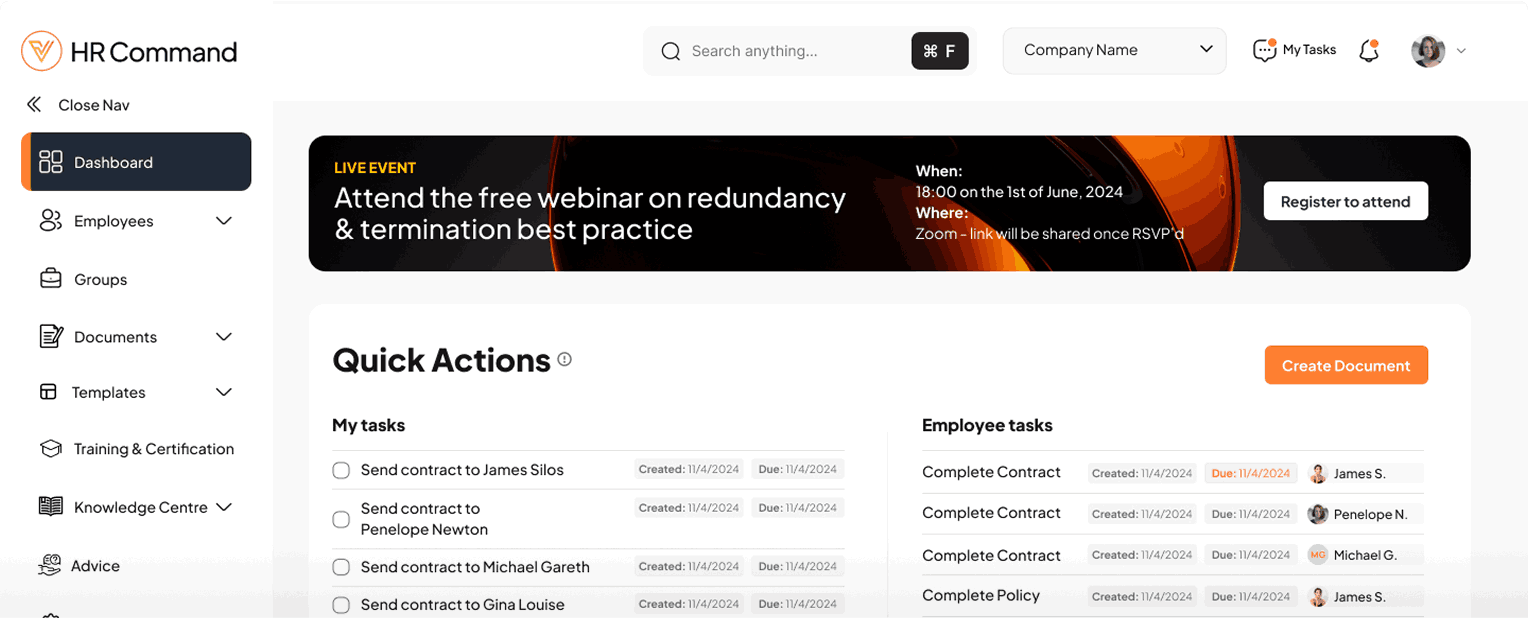
HR Command is designed to remove complexity and guide businesses through every stage of the termination process.
The platform includes:
- Guided workflows based on best practice termination checklists for performance, misconduct, redundancy, and general employment endings.
- Lawyer reviewed content that helps you stay compliant with Australian workplace law.
- Document generation tools for warnings, consultation letters, termination notices, redundancy templates, and meeting scripts.
- Centralised record keeping so HR teams and managers can store evidence in one secure place.
- Manager friendly checklists that reduce uncertainty and ensure every step is completed correctly.
Practical Tips for Using a Termination Checklist
1. Keep the termination checklist accessible to all managers.
2. Attach templates and evidence requirements to each step for clarity.
3. Update your termination checklist whenever legislation, awards, or internal policies change.
4. Train managers on how to apply the termination checklist in real scenarios.
5. Use HR or legal review for high risk or complex terminations.
Final Thought
A termination checklist is essential for any business operating in Australia. It ensures your termination process is fair, consistent, compliant, and backed by documentation. When used properly, a termination checklist protects your organisation, supports your people, and makes HR processes clearer and more predictable.
Categories
termination checklist, employee termination checklist, termination process checklist, termination procedure checklist, termination checklist template, redundancy checklist, end of employment checklist, final pay checklist, procedural fairness checklist, termination meeting checklist, unfair dismissal checklist, employee offboarding checklist.